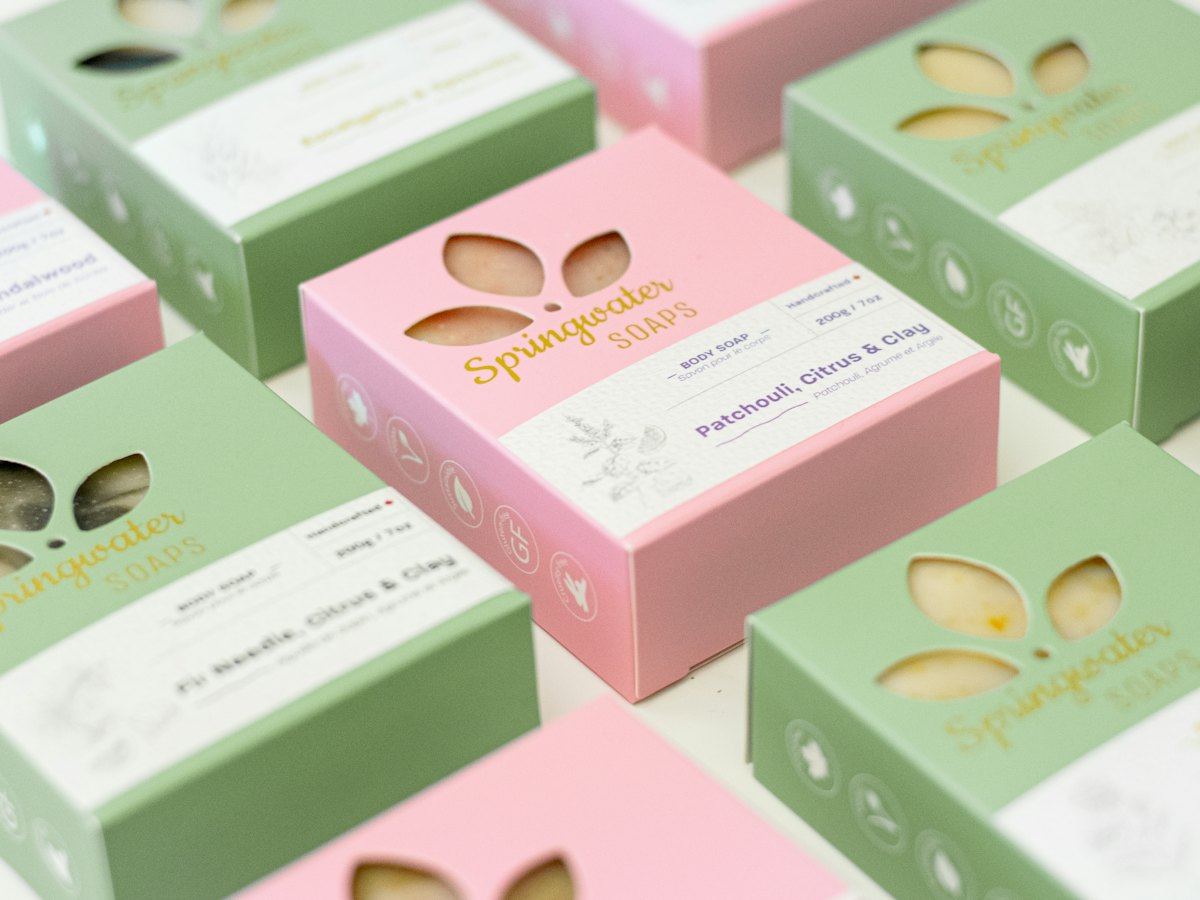
For a private label seller, the brand is the business. Product designs can be copied and suppliers can change, but customers come back to a name they trust. A trademark is the legal tool that protects that name. Planning it early, ideally before you print packaging, saves money and avoids having to rebrand later.
What a trademark protects
A trademark protects a name, logo or other sign that identifies your goods or services. It does not protect the product itself; designs and inventions are covered by other rights, such as design rights and patents. A registered trademark gives you a stronger legal basis to act when someone uses the same or a confusingly similar brand for related products.
Protection is territorial
A trademark registered in one country does not protect you in another. A US registration covers the United States; a UK registration covers the United Kingdom; an EU trade mark covers the European Union member states. Start with the markets where you sell or plan to sell. For several countries, the international system administered by WIPO (the Madrid System) can be an option to discuss.
Classes and specifications
Applications are made for specific goods and services, grouped into classes under the Nice Classification. A kitchen gadget brand and a skincare brand would usually file in different classes. The specification should describe what you actually sell, clearly and accurately. Too narrow, and you may leave gaps; too broad or vague, and the office may object.
Search before you commit
Before choosing a name, search the official databases of your target offices, such as the USPTO trademark search and the UK trade mark search. Look for identical names and similar ones in related classes. It is also worth checking Amazon itself for existing brands with similar names. A clash found at this stage costs little; a clash found after launch can mean new packaging, new listings and lost reviews.
Representation rules
Some offices have rules about who can file. The USPTO, for example, requires applicants whose home or principal place of business is outside the United States to be represented by a US-licensed attorney. Check the rules for each office you plan to use, and budget for professional fees where they apply.
Trademarks and Amazon Brand Registry
Amazon's Brand Registry programme gives brand owners extra tools to manage their listings and report suspected infringement. Eligibility is set by Amazon and has generally relied on a registered trademark or a pending application in an office Amazon supports. Check Amazon's current requirements before you plan around them.
A simple checklist before filing
- Your brand name, and a logo if you plan to protect it separately.
- The products you sell now and plan to sell soon.
- Your target countries or regions, in order of priority.
- The date you first used the brand, if it is already in use.
- The owner of the trademark: you personally or your company. This matters later for Amazon and for selling the business.
What to expect after filing
The office examines the application and may raise objections that need a response. Many offices also publish the application so third parties can oppose it. Timelines vary by office and by whether issues arise, so plan your launch with that uncertainty in mind. No search or filing can guarantee registration.
How we can help
Our Trademark Registration Assistance covers preliminary searches, class selection and application preparation, with independent licensed attorneys involved where an office requires them. Pair it with a preliminary patent search if you are developing a new product design, or see Amazon Private Label for full project support. Request a quotation to discuss your brand.

About the author
Nasir Mehmood is CEO of ECom Seller Core and writes about Amazon and ecommerce. Meet our team.
This article is general information, not legal or tax advice. Rules and procedures change; check current official sources or ask a licensed professional about your situation.